


The process/strategy stays the same
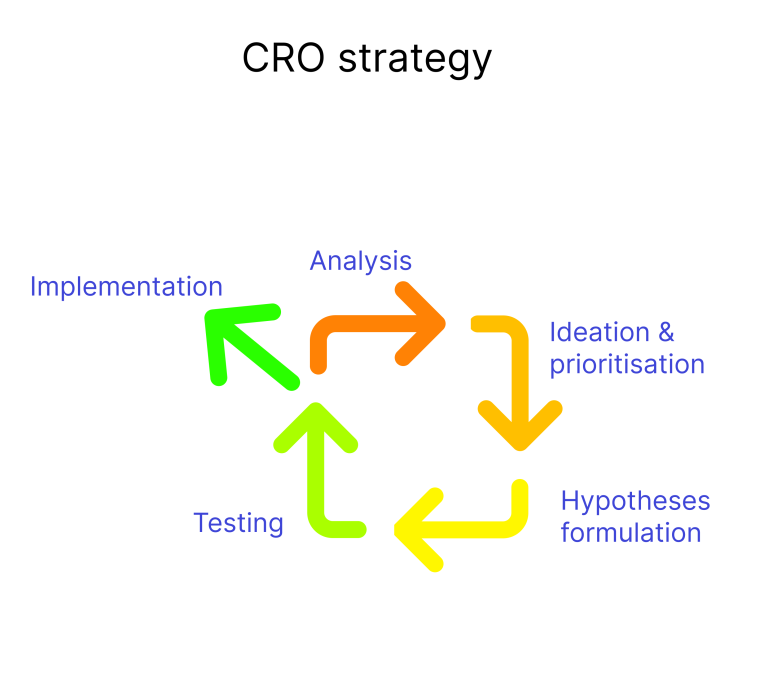
The conversion rate optimisation (CRO) process stays roughly the same for e-commerce, SaaS, and the service sector.
a. There is the initial discovery/analysis phase where you may run user research, have an audit, or otherwise dig into the analytical and behavioural data about your site. It works best if you have experts in user research and CRO/user psychology do this, but there’s nothing stopping you from having a go yourself. You can also carry out competitor analysis and use your internal knowledge around prospective customers, their motivations and their concerns/questions to build user personas.
b. Then there is the ideation and prioritisation stage. This is where ways to improve your site are thought up and you work together to prioritise them using a framework such as ICE or MoSCoW.
c. Next you need to formulate hypotheses. These will likely be based around your ideations. You may need to group some of your ideations together to make your hypotheses make sense, but be careful not to group too many changes into the same hypothesis or it will be difficult to determine what made a change.
d. This is the fun part, testing. This is where you get to see if your ideas were good or not. It’s an exciting time as you wait to see what the results will show. You will ideally want to run AB tests (or split URL tests), for which you will need testing software. We recommend our partners at Webtrends Optimize and Shoplift (for Shopify).
e. Implementing is the last step in the CRO process before it all starts again. This is where you take your winning variation and establish that on your site.
What to focus your e-commerce CRO on
With e-commerce the big thing to think about is that your homepage is likely not your most important landing page. Your collection pages (PLPs) and product pages (PDPs) are going to make more of an impact on users and may well be the more visited of your landing pages.
It is important therefore that these pages are set up as such. For example, on PLPs you can try working a value proposition and key selling points that are relevant to the products within that collection above the fold (the bit that is visible when the page loads). On PDPs, you can try placing your reasons to buy below the add to cart/basket button. Doing both things will increase the chance that users take in your vital selling points without them having to see the homepage.
The importance of product reviews is another big thing we stress at Credo. Ideally your product reviews should:
- Include images and video.
- Include your responses to customer reviews.
- Allow users to rate reviews as helpful and sort by most helpful.
- Provide an AI summary.
- Allow users to search by key word.
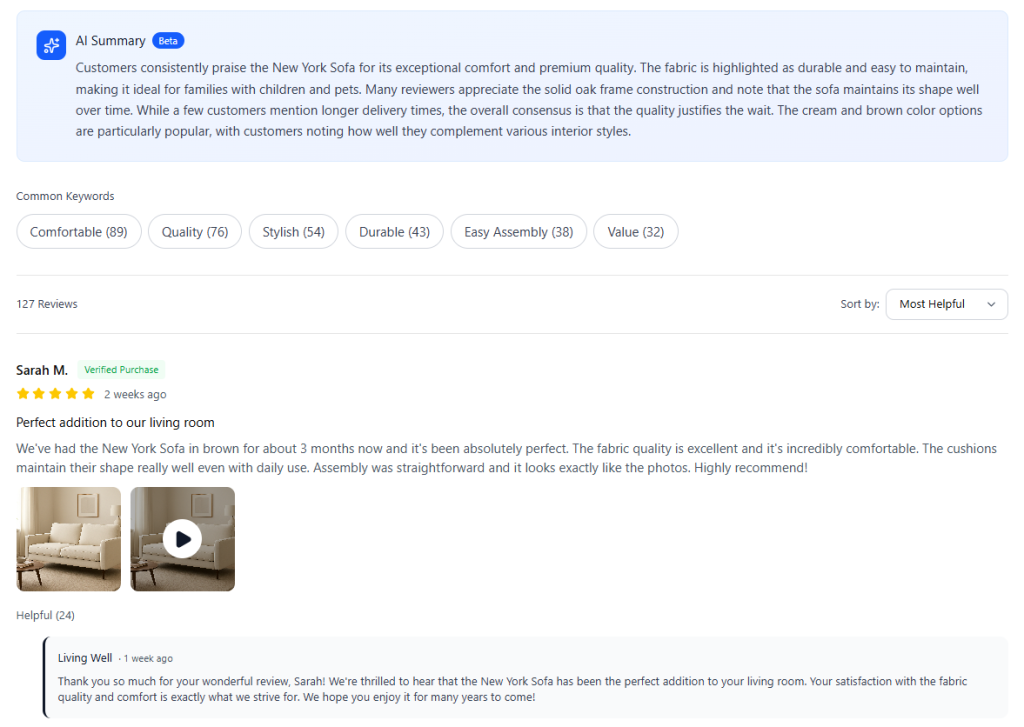
Site-wide reviews are also helpful for users as these give them an overview of what buying from your company is like. Site-wide reviews are equally if not more important for you to gather as they can be displayed on your homepage, in a benefits banner, on your checkout, in a sticky panel, and many other places to build trust.
It’s important that you view your PLPs and PDP as if they are your users’ first experience with your company. Ask yourself:
- What information about your company as well as the product can they learn?
- Would they feel like they can trust you?
- Would they be left with any questions that could make them leave your site?
- Would what they see be persuasive enough to encourage them to buy?
What to focus your SaaS CRO on
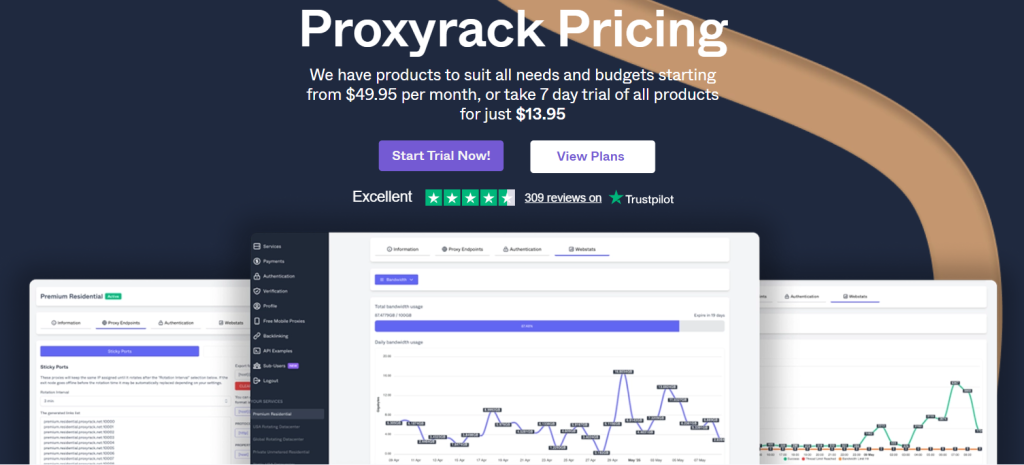
The most important page on your SaaS site is likely to be your pricing page. Users may skip over all other pages to see how much your service costs before looking for information on how it works. This is also the page from which users are likely making the decision to purchase or not.
It is important therefore that when you are listing features included, that you are explaining these in basic language with tooltips where needed. You should also consider this page to be a place where you showcase your worth, which brings us nicely onto the next point…
Build in as many trust factors as you can. When asking users to part with large sums of money (as a lot of SaaS products do) you need to be providing as much reassurance as possible. This means listing your G2 rating, Trustpilot rating (or similar) and any awards you have received on key pages like your pricing page and homepage.
After you’ve built trust, you need to make sure you are explaining everything as simply as possible. Eliminate technical jargon if you can, use screenshots of the actual software (not graphics that vaguely suggest the features), Gifs and explainer videos as well as concise persuasive copy to really sell your product
What to focus your service sector CRO on
Testimonials and case studies are likely going to be a big factor in service sector CRO to build trust. This is because service companies need to build a relationship with the user through their website which reflects the relationship the user is looking for. Easy access to case studies and testimonials peppered throughout the site will build trust faster than hiding these away on dedicated pages, or only showing/linking to them occasionally.
This isn’t to say that company ratings are not important for service sector businesses. If your business lends itself to being featured on Trustpilot, Tripadvisor, or Google business for example, then you should definitely be encouraging your customers to review you on these platforms. It just may not always be appropriate for every service business (for example if you offer professional marketing services).
There are likely to be offline steps the user needs to take as part of their journey or steps they need to take after the conversion. These need to be spelled out for users in the simplest way possible. Often, a 3-step process is recommended as it makes the process seem easy whilst delivering key information about what the user needs to do. If you need to check users’ understanding of an offline or post-conversion process, then running user research can be a huge help.

Another big pitfall I see in service sector sites (particularly those offering B2B services) is the use of complex language, company focus, and vague benefit buzzwords. Replacing this kind of messaging with specific, clear, user focused messaging is bound to improve users’ perceptions and encourage them to convert.
Summary
The conversion rate optimisation strategy/process remains the same no matter which sector a site falls under. This is what makes CRO applicable to any sector (not just e-commerce, SaaS, and service).
Another thread that ties our three sectors together is that of trust. This looks different for e-commerce (site-wide and product reviews), SaaS (company reviews, ratings on tech sites, awards), and service sector (testimonials, case studies, company reviews). But trust is always vital, regardless of your sector.
A further thing that unites the three sectors is the need to be clear, concise, and persuasive in what you are saying about your offering. For SaaS this may mean ‘dumbing down’ technical jargon, and for e-commerce and service sector it could mean citing more specific benefits.
Where the CRO advice differs between sectors in in the nuance of the application of these broader strategies. We can help you in applying these strategies in a way that works for your business specifically. We can help you out by conducting a fully bespoke CRO audit of your site, or by running our full service CRO. If you are unsure which path is best for you, get in touch and we can help you explore your options.

Hi, I’m Charlotte. I love writing about user psychology and tips I’ve picked up from leading user research and CRO projects. Get in touch if you’d like to work with me to improve the user experience on your site or click here to learn more about your future CRO team.